






Wasps are a common sight in the UK, and it’s easy to see why: there are over 9000 difference wasp species found in the country.
Most of these wasps are solitary wasps, meaning they live alone for most of their lives and usually build nests underground. As a result, these wasps are not usually an issue for humans, and can actually be useful pollinators and a natural form of pest control.
Social wasps can be an issue, as these wasp species, which include common wasps, German wasps and European hornets, build large colonies and live in nests. These wasps protect the nest at all cost, and can become aggressive when disturbed.
Wasp stings can be painful, and a wasp swarm can cause significant distress, which is why it’s important to get rid of a wasp nest on your property.
Arrow Pest Management has extensive experience carrying out wasp nest removal across Rochdale, Bolton, Bury, Oldham, Huddersfield, Halifax and throughout Greater Manchester, which is why we’ve put together this guide to eradicating wasps and ensuring they don’t return.
Signs Of A Wasp Nest
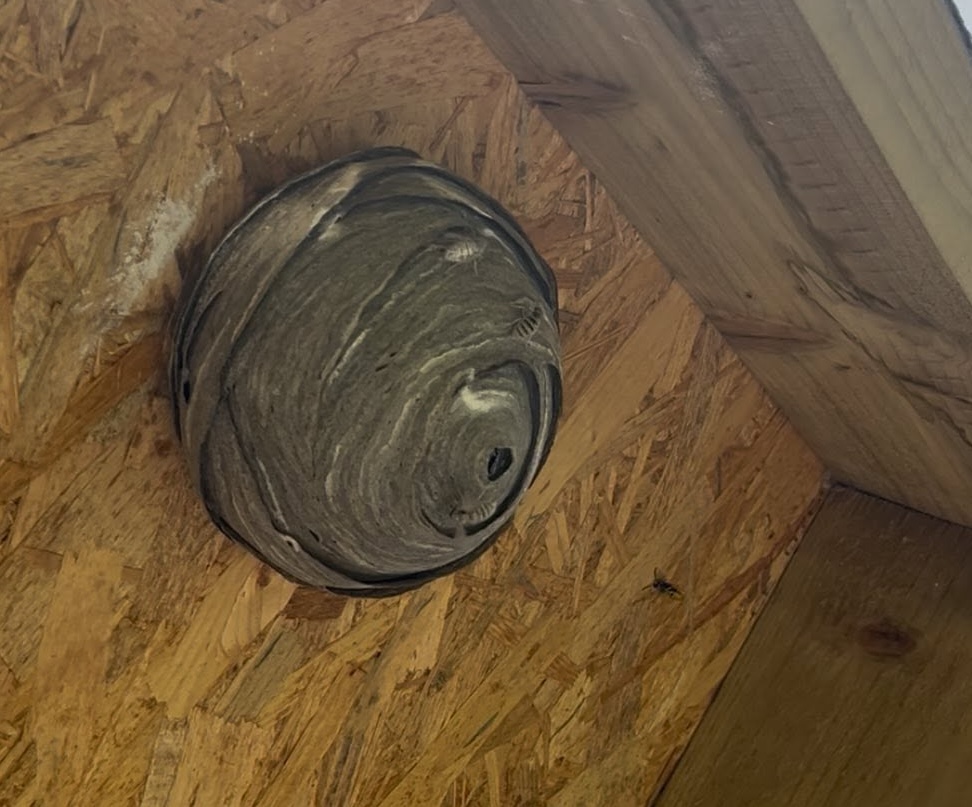
Wasp nests are distinctive, so you’re likely to notice them if they’re out in the open. Wasps build nests from chewed wood pulp mixed with wasp saliva, giving them a greyish colour and papier-mâché appearance.
Social wasp nests can start off as the size of a golf ball, but can grow to that of a basketball or even larger. The issue with finding them comes if they build their nest inside a tight space, such as wall cavities, chimneys, rafters and even bird boxes.
If this is the case, you may need to look out for other signs of wasp activity, such as:
- Wasp Sightings: If you see lots of wasps flying towards the same spot, that is an indication that there is a wasp nest nearby.
- Buzzing Noises: Large wasp nests can contain tens of thousands of wasps, so if you hear a loud buzzing noise inside your walls, this could indicate a wasp nest.
- Entry Points: If you suspect wasps are inside your walls or roof, look for small holes that could act as entry points.
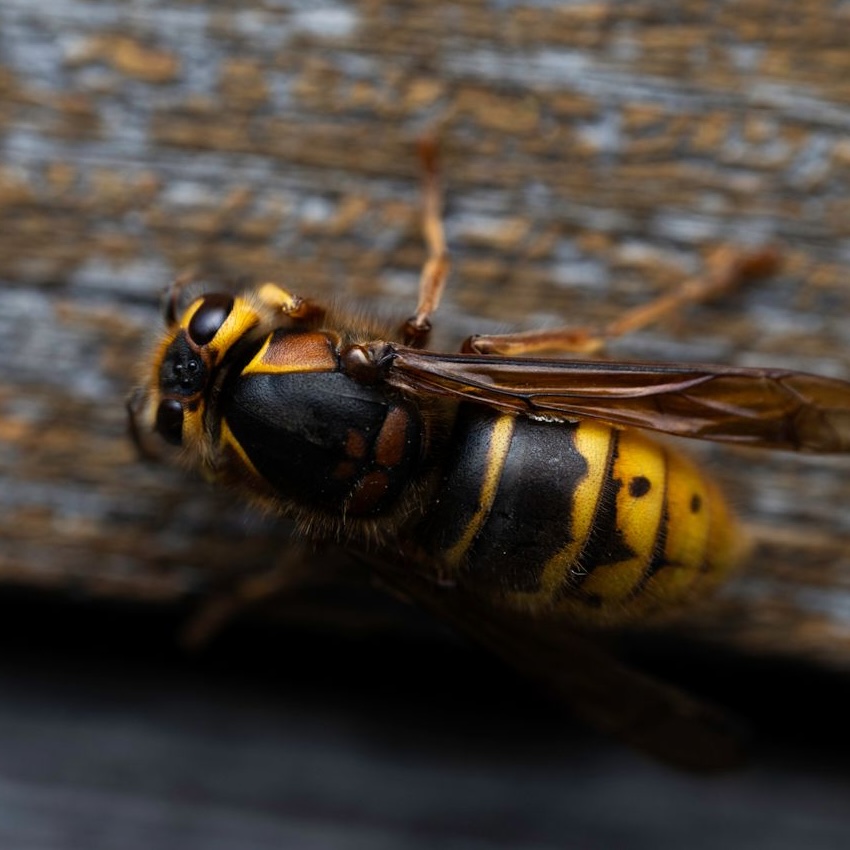
Issues Caused By Wasps In Your Property
Wasps are important pollinators, so a single wasp or even a few wasps in your garden isn’t an issue. However, a wasp nest, even outside but close to your property, can cause issues such as:
- Public Health Issues: Wasp stings can be painful and cause anaphylactic shock in those allergic to wasps, making them a public health issue, particularly on public sites such as communal gardens or commercial premises.
- Food Contamination: Sugary drinks and foods can attract wasps, and they often land on them, which can cause contamination as wasps may carry bacteria.
- Distress: Having flying insects constantly buzzing around can be distressing, especially when people realise they are wasp and have the ability to sting.
- Structural Damage: If wasps build nests inside wall cavities or chimneys then this can cause structural issues.
How To Prevent Wasps
While it’s impossible to fully stop wasps gaining access to your property, there are some simple techniques you can use to reduce the chances of wasps include:
- Fill Holes: Wasps use small holes in your brickwork to enter your property and look for potential nesting sites, so filling these cracks and crevices can reduce the chances of wasps and other pests gaining entry.
- Eliminate Potential Food Sources: Remove potential food sources by storing food in airtight containers, removing fallen fruit from your garden and generally keeping your space tidy.
- Consider Using Aromatic Plants: Wasps don’t like strong scents, as they overwhelm them, so consider planting strong smelling plants such as peppermint, lemongrass, mint, lavender or rosemary. While this isn’t a guaranteed technique, it can be a simple way to deter wasps and reduce your chances of a future wasp problem.
- Be Proactive: If you notice any sign of wasps, get in touch with professional pest controllers like Arrow Pest Management. Wasps are often confused with honey bees, so if you’re unsure contact us and we can help you identify the species you’re dealing with.
The Importance Of Professional Wasp Nest Removal
If you find a wasp nest located on your property, then you should consider whether the nest is an issue. A wasp nest nearby isn’t a problem if it isn’t attached to your property, at a safe distance from it or in an area where humans spend a lot of time.
However, if wasps have built nests inside wall cavities, chimneys, garden sheds or roof spaces, then you need expert wasp nest treatment from a professional pest controller.
That’s because DIY wasp nest removal is often ineffective, and can be dangerous. You may face painful stings, and could also cause structural damage to your property.
Experts like the team at Arrow Pest Management are RSPH level 2 certified, with access to wasp control products that aren’t available to the general public. Our staff wear protective clothing at all times, and can safely eradicate wasp colonies and remove wasp nests.
While wasps only use each nest once, and won’t return to an old nest next season, that doesn’t mean you can leave the empty nests. Old wasp nests can be used by other insects, and the new queen wasps may build a new nest in the same area, as they know it is safe, offers shelter and is close t reliable food sources.
Ultimately, the best way to get rid of wasps is to work with wasp nest removal providers like Arrow Pest Management. Our team prioritise wasp nest treatment call-outs, especially during peak wasp season in the early spring and late summer.
Alongside wasps, we also offer domestic and commercial pest control solutions for a wide range of species, including rats, mice, squirrels, moths, bed bugs, fleas and nuisance birds.
So, if you’ve found a wasp nest on your property, contact us on 01706 375 803 or by emailing marc@arrowpestmanagement.co.uk today.