




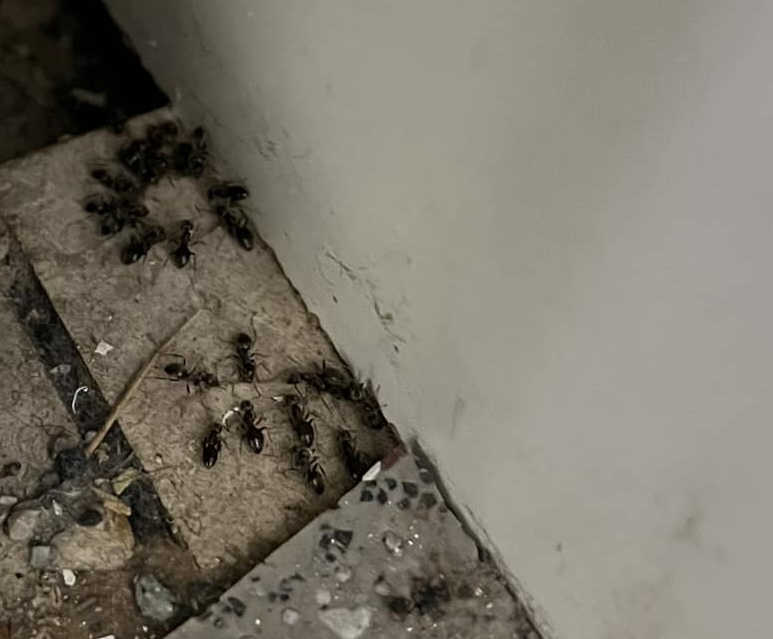
There are more than 14,000 different ant species in the world, but since many ants prefer tropical climates, there are only around 50 to 60 of these species found in the UK.
As a leading provider of ant control across Rochdale, Bolton, Bury, Oldham, Huddersfield, Halifax and throughout Greater Manchester, Arrow Pest Management understands the most common ant species found in UK properties. Keep reading to learn more about identifying ants.
Signs Of An Ant Infestation
Most ant species only grow to be a few millimetres in length, meaning they can be difficult to see clearly. Still, because they live in large colonies, you may see groups of ants or ant trails throughout your property. While ant sightings are the most common sign of ant activity, some other indicators include:
- Lines Of Ants: If you can’t see individual ants, look for ant trails, or lines of worker ants, particularly coming in and out of small spaces such as holes in wall voids.
- Ant Nests: Piles of soil with a small hole on the top could be an ant nest, particularly if you see ants entering or leaving.
- Small Piles Of Sawdust: Piles of wood dust, or frass, can be a sign of carpenter ants.
Common UK Ant Species
If you think you have an ant problem, then it can be useful to identify the species you’re dealing with. Pest control professionals like the team at Arrow Pest Management can help with identification, but here are some identifying features of the most common species of ants found in the UK.
Black Ants
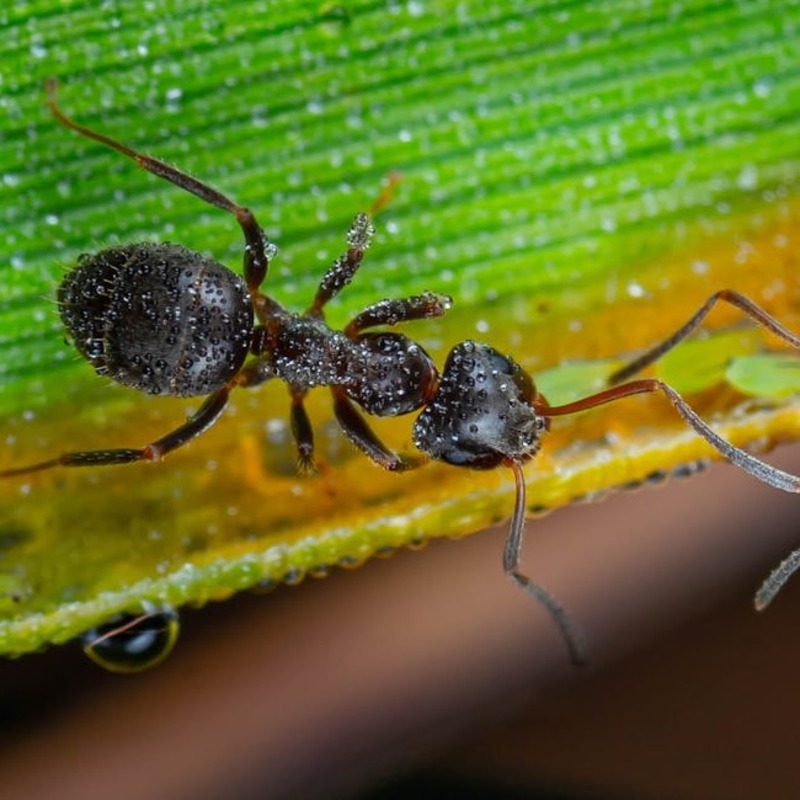
Also known as black garden ants or house ants, black ants (Lasius niger) are the most common ant species found in the UK and grow between 3-10mm. These versatile ants eat almost anything, including sugary foods and even dead insects.
In the summer, fertile male and female black ants gain wings and become flying ants. The winged ants can be particularly irritating, especially in gardens and communal outdoor spaces.
Carpenter Ants
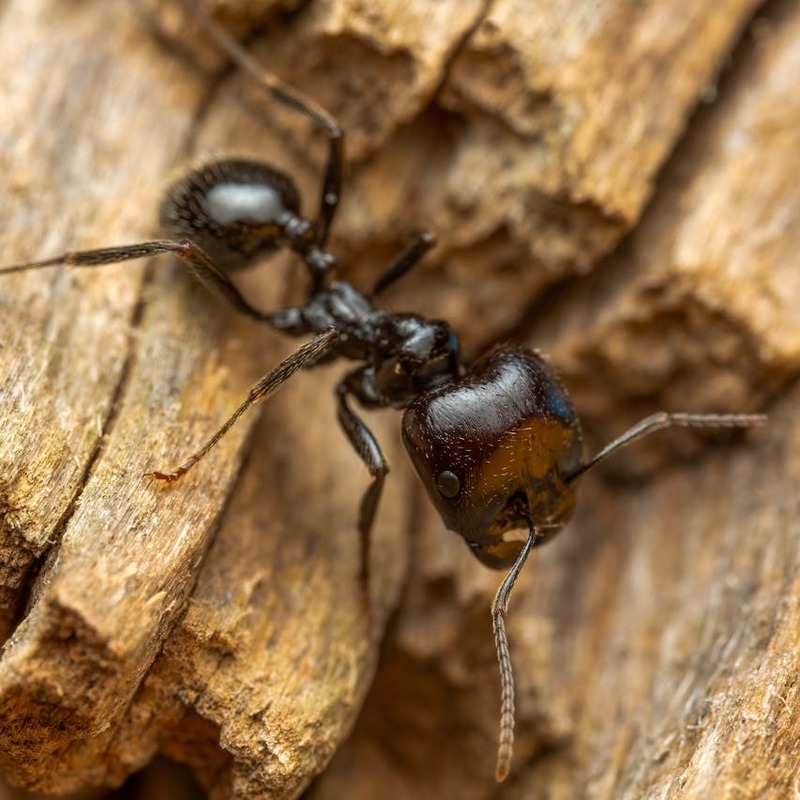
Carpenter ants (Camponotus spp.) are relatively large ants, growing to between 6 and 25 mm. While carpenter ants can’t sting and rarely bite humans, they can be highly destructive due to the way they build nests.
Unlike other ant species, which usually prefer outdoor nesting sites in the ground, carpenter ants evacuate holes in wooden structures, such as beams and furniture. As a result, carpenter ants can significantly damage wooden items. A common sign of carpenter ants is small piles of wood dust around your property.
Yellow Meadow Ants
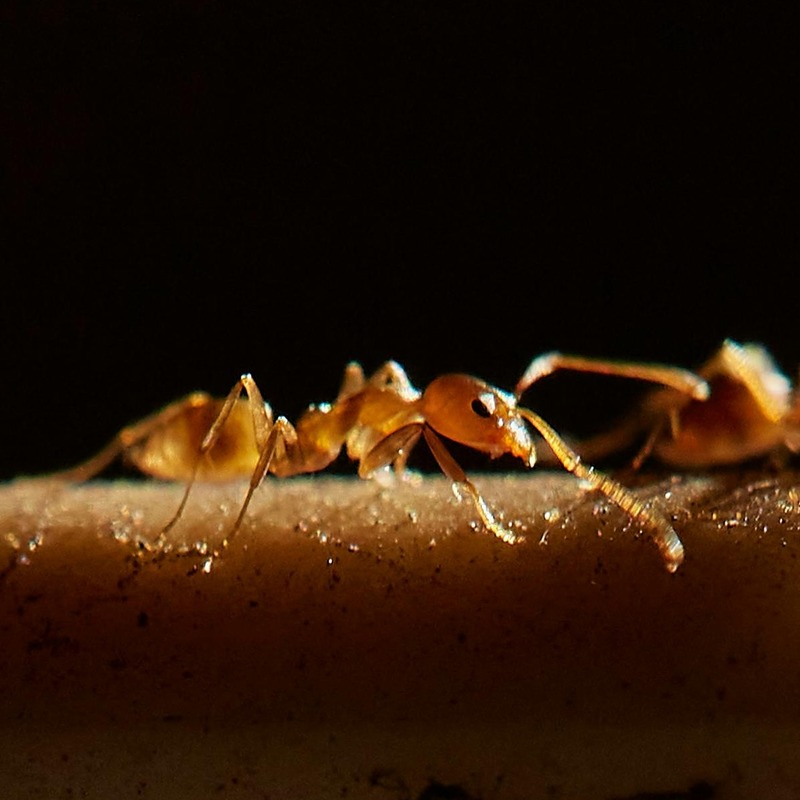
Yellow Meadow Ants (Lasius flavus) are a common species but aren’t much of an issue unless they come inside your home.
Because they live primarily underground, yellow meadow ants are a nuisance to gardeners and land managers. Yellow meadow ants nest underground, often beneath lawns, and the only signs of their nests are often small mounds in otherwise pristine patches of grass.
Pharaoh Ants
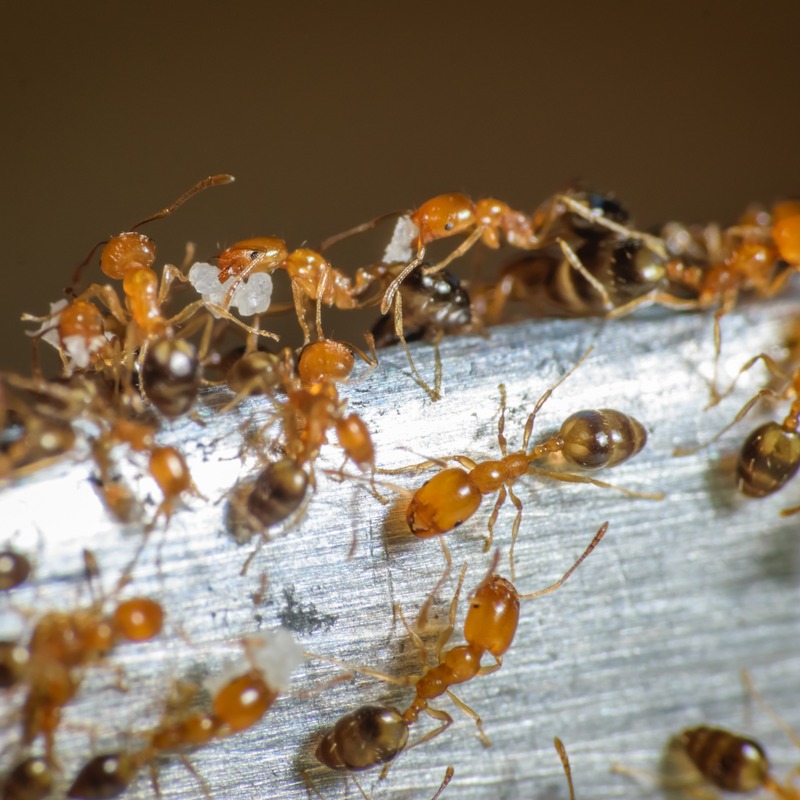
Pharaoh ants (Monomorium pharaonis) are one of the most distinctive ant species found in the UK. They are small, at around 2mm in length, but have transparent yellow/ brown bodies with dark brown abdomens.
Being a tropical species, pharaoh ants prefer warm, humid environments, such as hospitals and commercial kitchens. Alongside their unique appearance, pharaoh ants have distinctive living situations, with each colony having multiple queens, meaning they can spread quickly and become a significant pest problem.
Pavement Ants
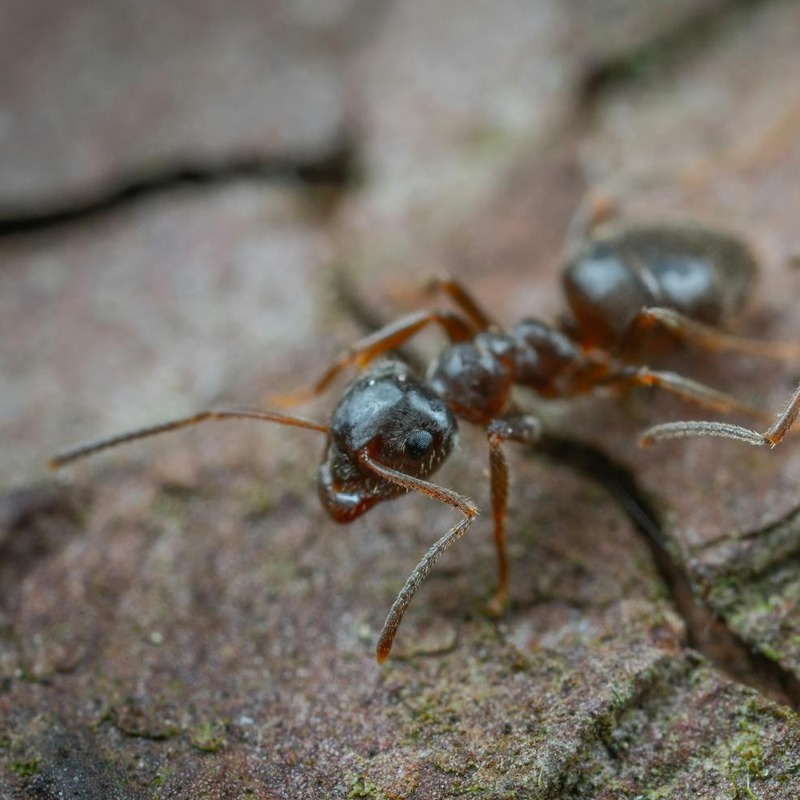
Pavement ants (Tetramorium caespitum) look similar to black garden ants, although they are slightly smaller at around 2-3mm in length. Pavement ants are dark brown to black in colour, and are often found in urban areas.
As the name suggests, pavement ants often nest under paving slabs, but can venture indoors in search of food. While they don’t bite, pavement ants can sting, making them a potential risk to homes and business premises.
Red Ants
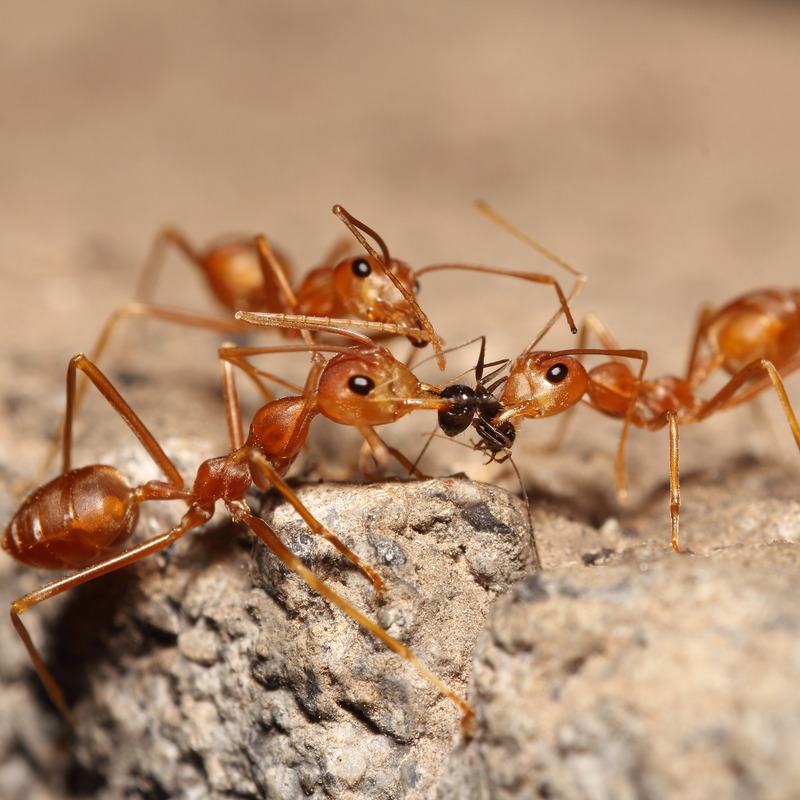
Often called fire ants, red ants (Myrmica rubra) are around 4–5mm long and a native ant species. They are often found in gardens under loose stones or pavements, as well as under logs and in loose soil.
Red ants have a painful sting, and in summer the winged queens and fertile males fly to mate, which can make them even more irritating and increase your risk of being stung.
Get Professional Ant Control For Any Species From Arrow Pest Management
Whatever ant species you’re dealing with, ants can quickly become a nuisance if they make their way into your home. Even ants in the garden can pose a risk, as they can quickly make their way inside in search of a reliable food source.
For businesses, an ant problem could become a major issue and cause irreparable damage to your reputation. Ants can contaminate food and stinging ant species can pose a health risk, meaning they can lead to compliance issues and even get your site shut down until the infestation is eradicated.
Thankfully, Arrow Pest Management offers domestic and commercial pest control solutions, and can remove ants and other vermin, including rats, mice, squirrels, moths, bed bugs, fleas and nuisance birds. Check all pest control services here.
If you’re dealing with ants, you need to make sure you book professional ant treatment. While there are DIY ant products, these solutions are often ineffective at controlling ants, but can be toxic to children and pets.
As RSPH level 2 certified pest control experts, Arrow Pest Management has access to insecticides and ant baits that aren’t available to the general public. Our team can remove all ants and other insects, meaning whatever type of insect pests you’re facing, we’ve got the expertise to help.
To get support with identifying and removing ants or other pests, contact us on 01706 375 803 or by emailing marc@arrowpestmanagement.co.uk today.