





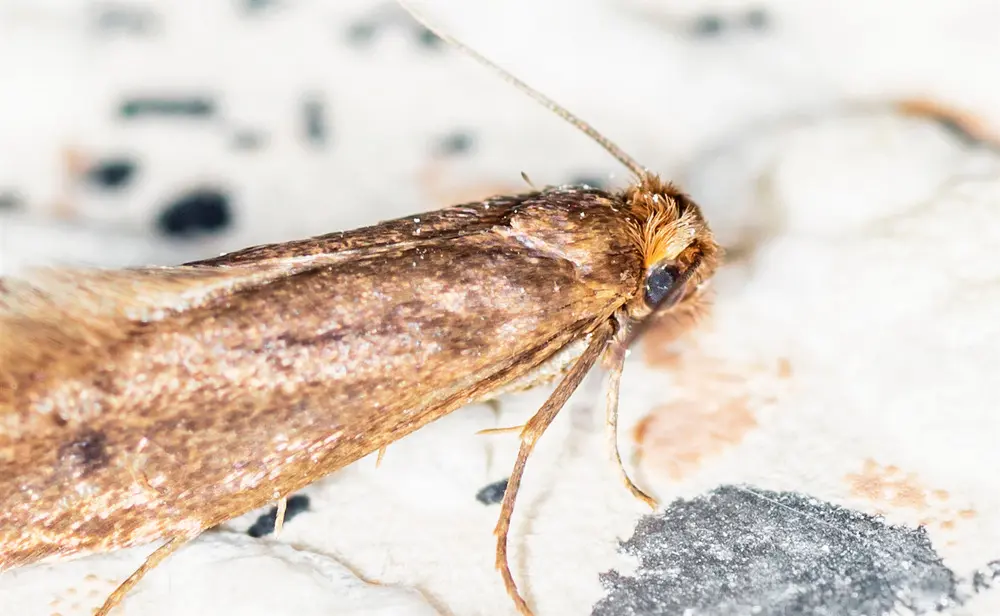
Moths are a common sight throughout the UK, and usually they don’t cause any issues. There are more than 2500 different moth species in the country, and most of these aren’t considered pests.
However, some species, such as the common clothes moth, also known as the carpet moth, and the case-bearing clothes moth, can eat natural animal-based fibres, such as wool, cotton, leather and silk, which can cause significant damage.
Additionally, the Indian meal moth, often referred to as the pantry moth, eats dried foods and can contaminate foods and spread bacteria.
These pest moths can cause significant damage, so many people wonder how long do moths live? And what do they do at every life cycle stage?
At Arrow Pest Management, we provide expert moth control services for homes and businesses across Rochdale, Bolton, Bury, Oldham, Huddersfield, Halifax and throughout Greater Manchester, which is why we’ve put together this handy guide to the moth life cycle and how long moths live.
Factors That Affect Moth Lifespans
The lifespan of moths depends on several different factors, including:
- Species: There are several different moth species categories, and the different moth species you’re dealing with will affect how long moths live. Some species hibernate during colder months, while others live for very short periods.
- Temperature: Most moths prefer warmer temperatures, and so colder weather can reduce their lifespan. Some species can live as larvae in a dormant state, known as diapause, in cold temperatures, which can lengthen their total lifespan.
- Predators: Spiders, frogs, toads and even some small mammals can eat moths, and this will shorten their lives.
- Purpose Completion: Adult moths live solely to reproduce, so once this has been achieved, the male moths will die, and the female moths will die shortly after they lay eggs.
How Long Moths Live At Different Life Cycle Stages
Moths have four main life cycle stages, which begin with eggs, and end with adult moths. The complete process is known as metamorphosis. Each life cycle stage takes a different amount of time.
Moth Eggs
Moth eggs hatch between a few days or several weeks after being laid, depending on the temperature and climate conditions. These tiny white specks are usually found deep inside carpets or clothing, but pantry moth eggs are usually laid inside pantries and food storage areas.
Moth Larvae
Moth larvae usually last between 2 and 3 months, but during that short time they can be highly destructive. Moth larvae need a lot of protein to grow, which is why this stage can cause so much damage. Clothes moth larvae are the ones that eat the natural materials and can cause significant property damage.
Moth Pupae
Following the highly-destructive larval stage, moths will enter the pupae stage, also known as a cocoon. Most moth species will remain in the pupal stage for a few weeks during the summer, but sometimes they will stay as pupae for several months over winter.
Adult Moths
Adult moths emerge after between a few weeks and several months after entering the pupal stage, and will live between 2 and 4 weeks, although hibernating species can live longer over winter. Clothes moths and pantry moths will immediately start to mate and female moths lay up to 300 eggs before dying.
How To Get Rid Of Pest Moths
As you can see from this guide, moths often have relatively short lives, but they can cause significant damage during this time.
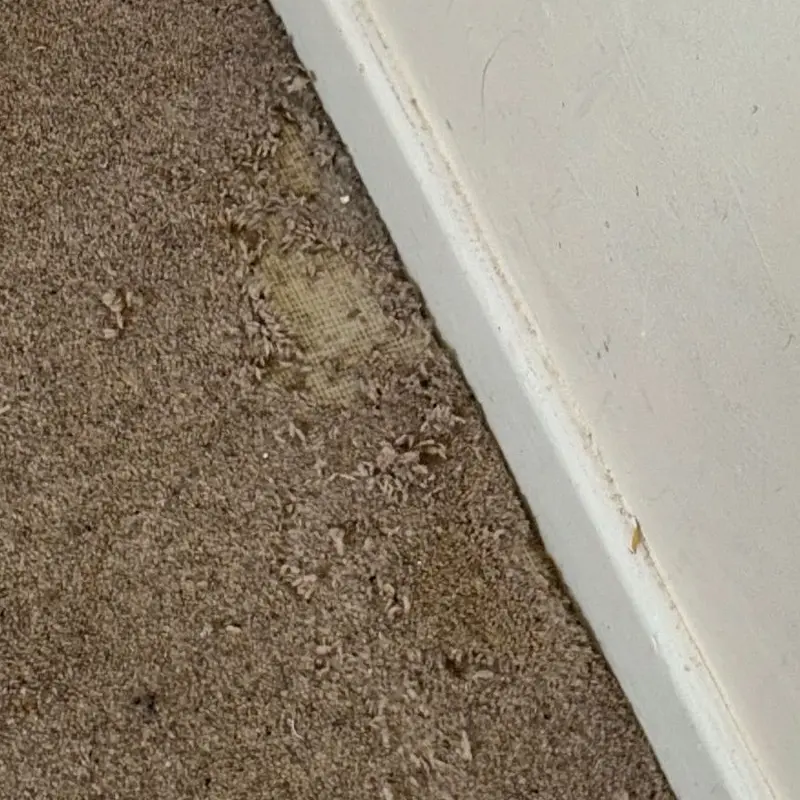
That’s why you need to be proactive. As soon as you notice signs of moth activity, such as bare patches on carpets or clothes, holes in natural fibres, adult moths flying around, or a musty smell, then you need professional moth treatment.
Many DIY moth control products are ineffective against moths, but can be toxic to children, pets and non-target species.
Arrow Pest Management can provide non-toxic solutions that will safely get rid of moths at all life cycle stages, ensuring a safe, pest-free space.
As well as moths, we also offer domestic and commercial pest control solutions for a wide range of pest species, including rats, mice, squirrels, bed bugs, fleas and nuisance birds.
If you find moths on your property contact us on 01706 375 803 or by emailing marc@arrowpestmanagement.co.uk today to book your expert moth control treatment.